Table of Contents
Home
/
Blog
/
TURE Case Study: How Adventure Tourism Navigates Crises and Builds Systematic Marketing Through Finance

1.8k

5 min

30.12.2025
TURE Case Study: How Adventure Tourism Navigates Crises and Builds Systematic Marketing Through Finance

Julia Polinyak
Financial expert at Finmap
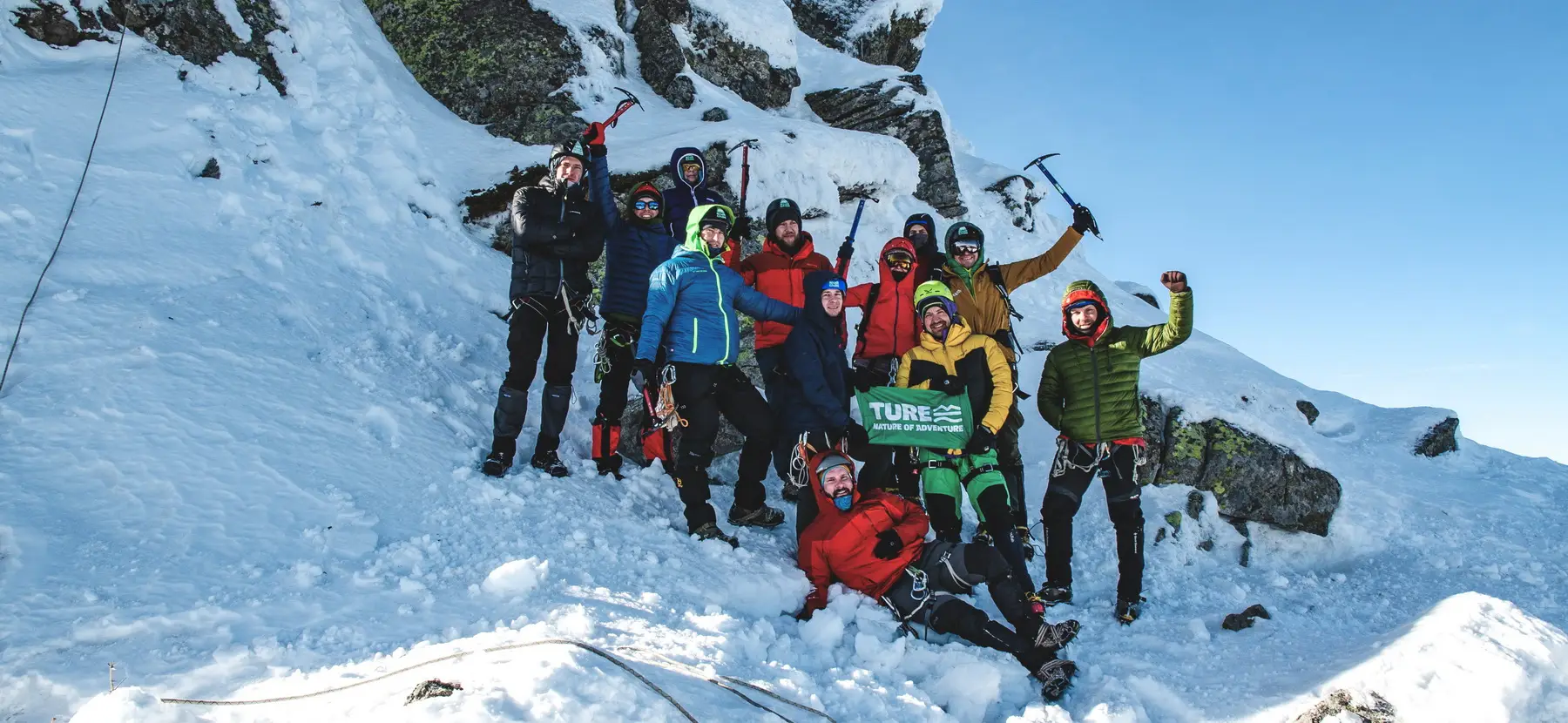
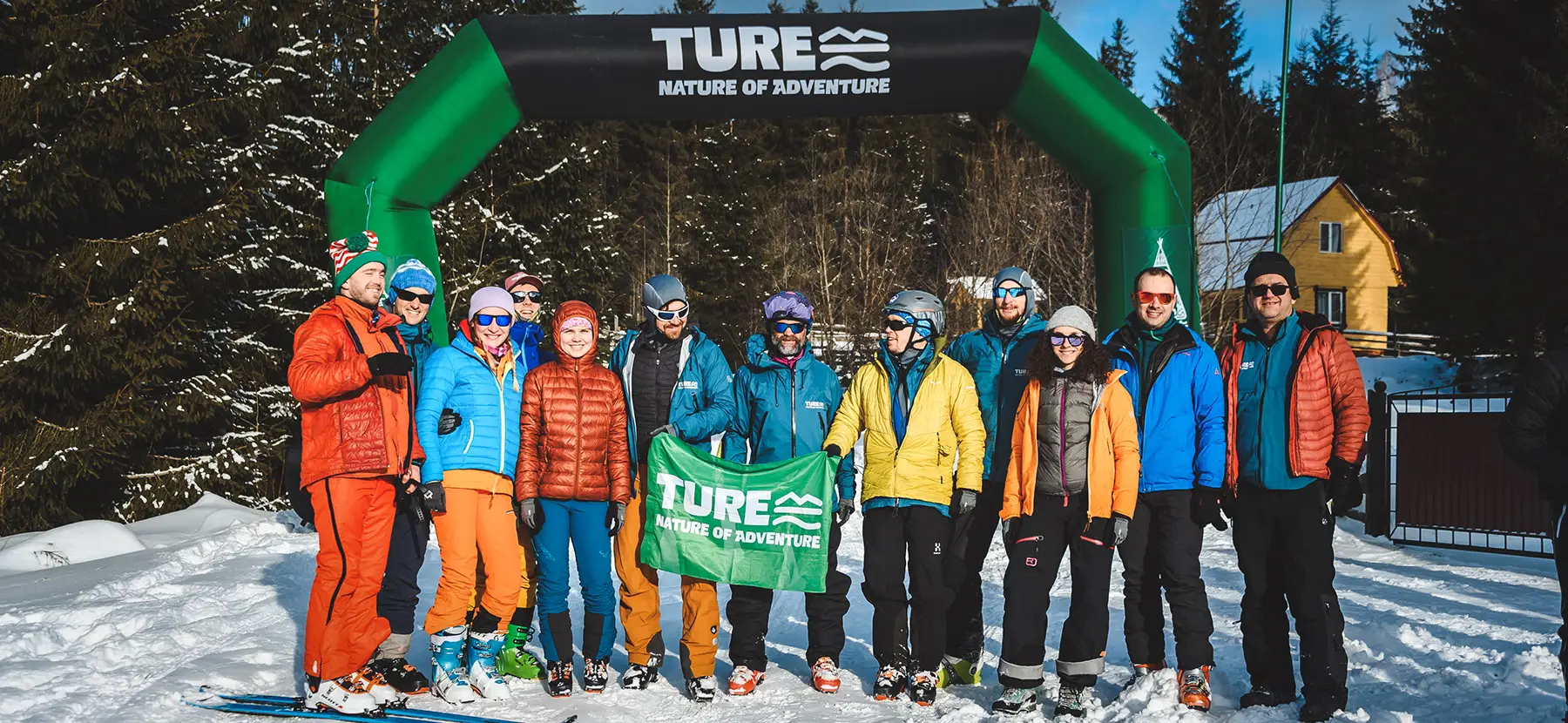
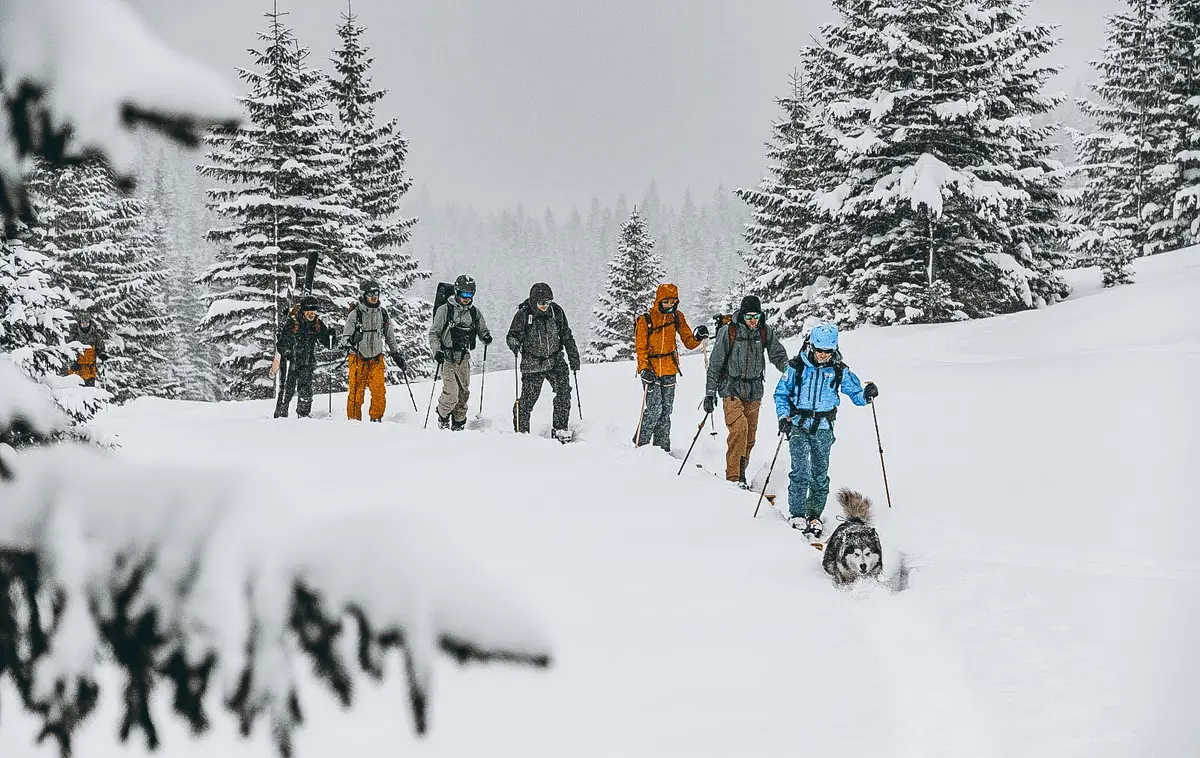
TURE is more than just a tour operator; it is a community of travelers. Their activities include organizing adventure tours (mountain trekking, rafting, and ski trips), managing accommodation facilities (the "White Elephant" and "White Bison" chains), and hosting outdoor competitions. Roman Kozachuk shared his journey from manager to Head of Marketing, discussed the market dynamics during the war, and explained the transition from Excel spreadsheets to systematic financial accounting.
From Booking Management to Strategy: A Business Journey and Personal Transformation
Roman’s story at TURE began in 2016. He joined the company as a manager for booking and inquiry management. However, the nature of adventure tourism required total immersion in all operational processes.
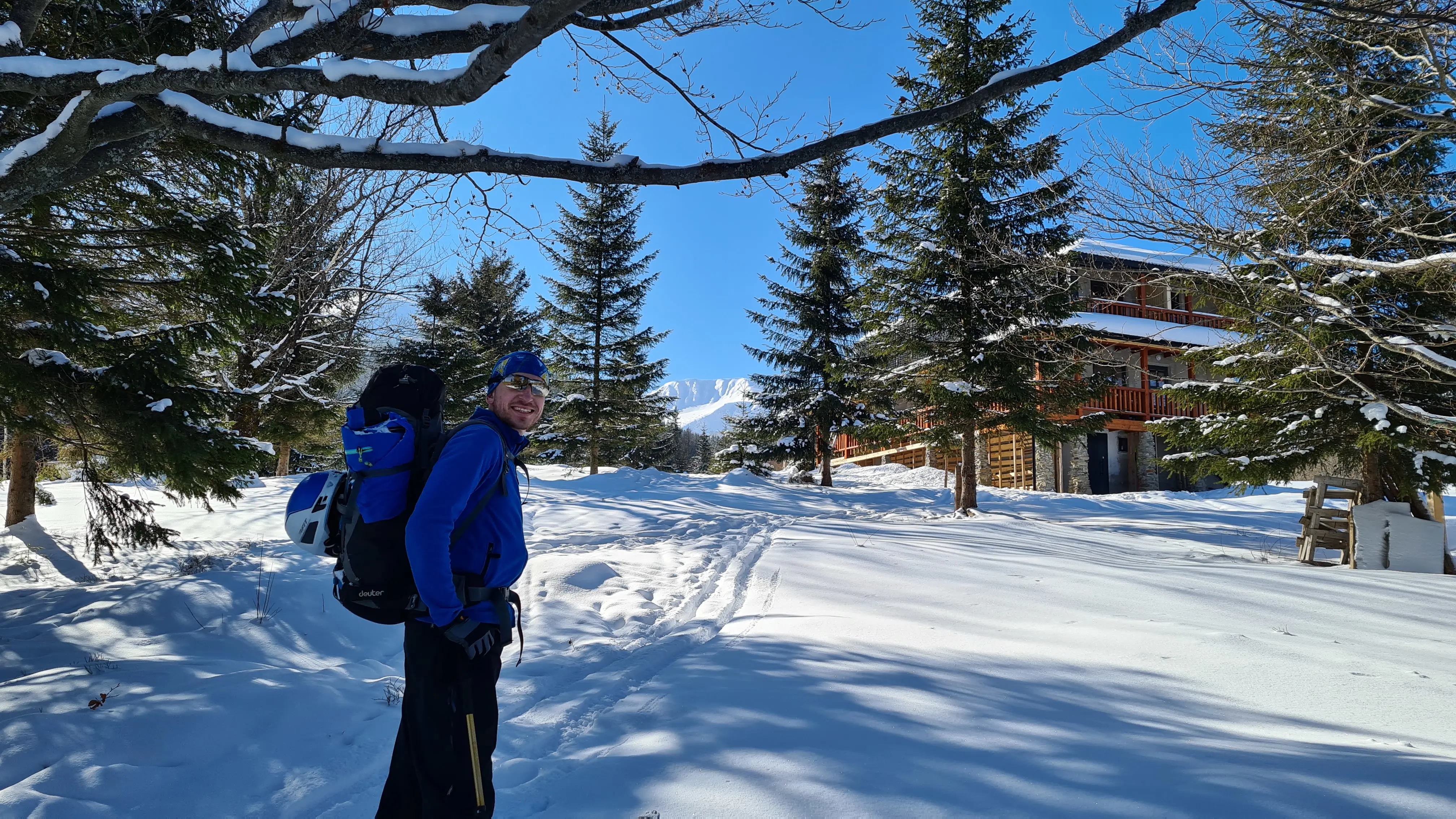
I had to work across various departments: from coordinating guides and logistics to managing a seasonal rental in Ternopil and even working as a guide myself. This provided me with a 360-degree view of the business, - Roman recalls.
The Evolution of Marketing at the Company
- Before 2020: The company focused on growth by prioritizing high-quality services. During this period, the CEO was directly involved in managing marketing tools, and a part-time marketer eventually joined the team. However, marketing efforts remained fragmented and lacked a unified strategic direction.
- The Turning Point (2020): In the winter of 2020, the company decided to formally develop its marketing function. At the time, Roman was coordinating the sales department; he proposed several initiatives to revitalize the direction and eventually stepped in to lead it.
- Today: TURE has a 4-person in-house team (the Head of Marketing, a Marketing Assistant/Editor-in-Chief, and two SMM Managers). Specialized tasks—such as design, video production, and technical website maintenance—are outsourced. Currently, the total TURE team scales to between 25 and 50 employees during the peak season.
Industry Challenges: Floods, War, and the Evolving Tourist Profile
Adventure tourism is a field for those who can adapt to environmental changes at a moment’s notice.
Key Specifics and Risks:
- Seasonality: The business expands significantly in the summer and contracts in the winter. To balance demand, the company hosts off-season events, such as competitions in April or specialized medical training courses.
- Weather Dependency: Plans can change 24 hours before a trip. Roman recalls 2020, when a flood washed out roads to both base camps during a marathon. Guides had to transport supplies on rafts and in backpacks. This led to a new product innovation—linear "hut-to-hut" trekking routes that eliminate the need for vehicle transfers.
- Competition: TURE doesn't just compete with other clubs; it competes for how a person chooses to spend their leisure time—whether traveling abroad, staying local, or remaining at home due to external circumstances.
Shifts in Demand Post-February 24:
Following a market collapse in early 2022, recovery began by July. Travelers sought an escape from stress in safer regions like Ivano-Frankivsk and Zakarpattia.
- Decline in Group Travel: Corporate events and large groups of friends have become less frequent. Many regular clients are now serving in the defense forces or have relocated abroad.
- The Rise of Individual Travel: There is a growing trend toward couples, small families, or solo travelers.
- Gender Demographic Shifts: The gender ratio has shifted significantly, with a notable increase in women participating in programs, even in extreme categories.
- The Value of the Moment: For many, a trip to the mountains is now the only vacation of the year or a brief psychological "recharge" for military personnel. Consequently, product quality and safety have become paramount.
Financial Accounting: From "Manual" Excel to Finmap
For a long time, TURE managed its finances using traditional methods. While this worked, it involved various complications and was quite time-consuming to administer. Ultimately, this approach to financial accounting became a bottleneck, holding back the company's further growth.
Life Before Finmap
The primary tool was Excel, which relied on complex, manual formulas.
- Time Consumption: Manual data entry was excessively time-consuming.
- Lack of Agility: Cash expenses and incomes were recorded with a delay, preventing a "live" view of the business’s health.
- Fragmentation: With locations scattered across the Dniester, Carpathians, and Ternopil, consolidating data was a major challenge. It was impossible to quickly determine the total spend on specific categories, such as household expenses, across the entire company.
Transition and Results:
In early 2024, the company transitioned to Finmap. The primary driver was the need for a transparent expense structure and real-time profitability tracking for individual projects (races, rentals, camps).
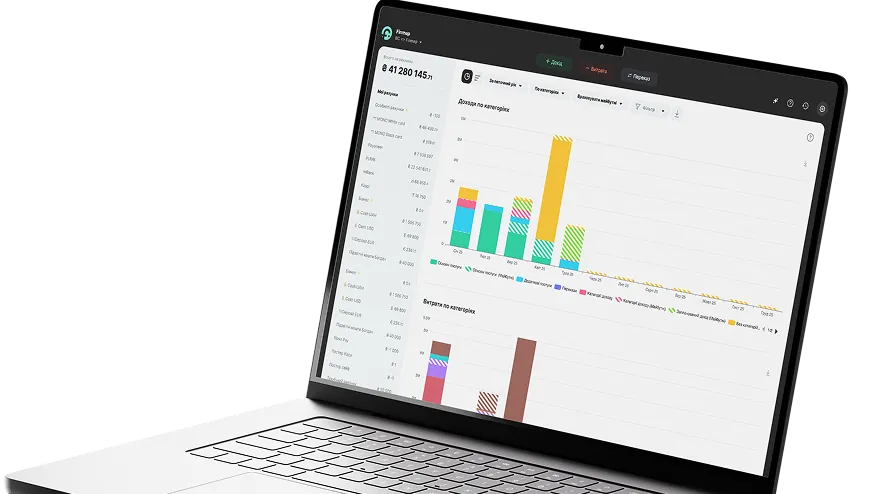
Finmap helped us automate our processes beautifully. Integration with banking for our sole proprietorships (FOP) pulls data in real-time. We can now see the financial picture categorized by channel: Meta ads, Google ads, design, or branded merchandise, - Roman explains.
Finmap as a Tool for the Managerial Marketer:
For Roman, Finmap has become an essential "Plan vs. Actual" control tool.
- Budgeting: Previously, budgeting required double entry—planning in one document and tracking actuals in another. Now, the remaining budget is visible instantly.
- Expense Allocation: The system allows for a clear distinction between operating expenses and capital expenditures (e.g., high-production-value video shoots intended for long-term use).
- Strategic Decisions: Post-analysis of expenses by channel identifies the highest ROI activities, directly informing future strategy.
Roman’s Advice: Intuitive management without plans and budgets can yield short-term results, but financial planning makes a business resilient. If you want to enter the tourism industry, you must be passionate about it because the challenges are real. Finance is the tool that shows you exactly where that passion is leading you.
Time to Switch to Professional "Tools" for Financial Accounting
Roman Kozachuk’s experience confirms that even in a high-intensity, volatile industry like adventure tourism, control over numbers is the foundation of stability. If you are still spending hours on manual accounting in Excel, it’s time to try Finmap. Focus on your strategy and your product, not on fixing formulas.
Try Finmap for free for the first 7 days and get:
- Full Control: View all balances across accounts and cash boxes in a single dashboard.
- Automation: Integrate bank accounts for instant income and expense tracking.
- Analytics: Categorize expenses by project and channel, just like TURE.
- Transparency: Use the "Plan vs. Actual" feature to keep your marketing and operational budgets under control.
Book a free Zoom consultation with our CFO or request a Finmap demo to see for yourself how much easier management becomes when the numbers work for you.
Share valuable content — become a source of insights



Recommended for Entrepreneurs